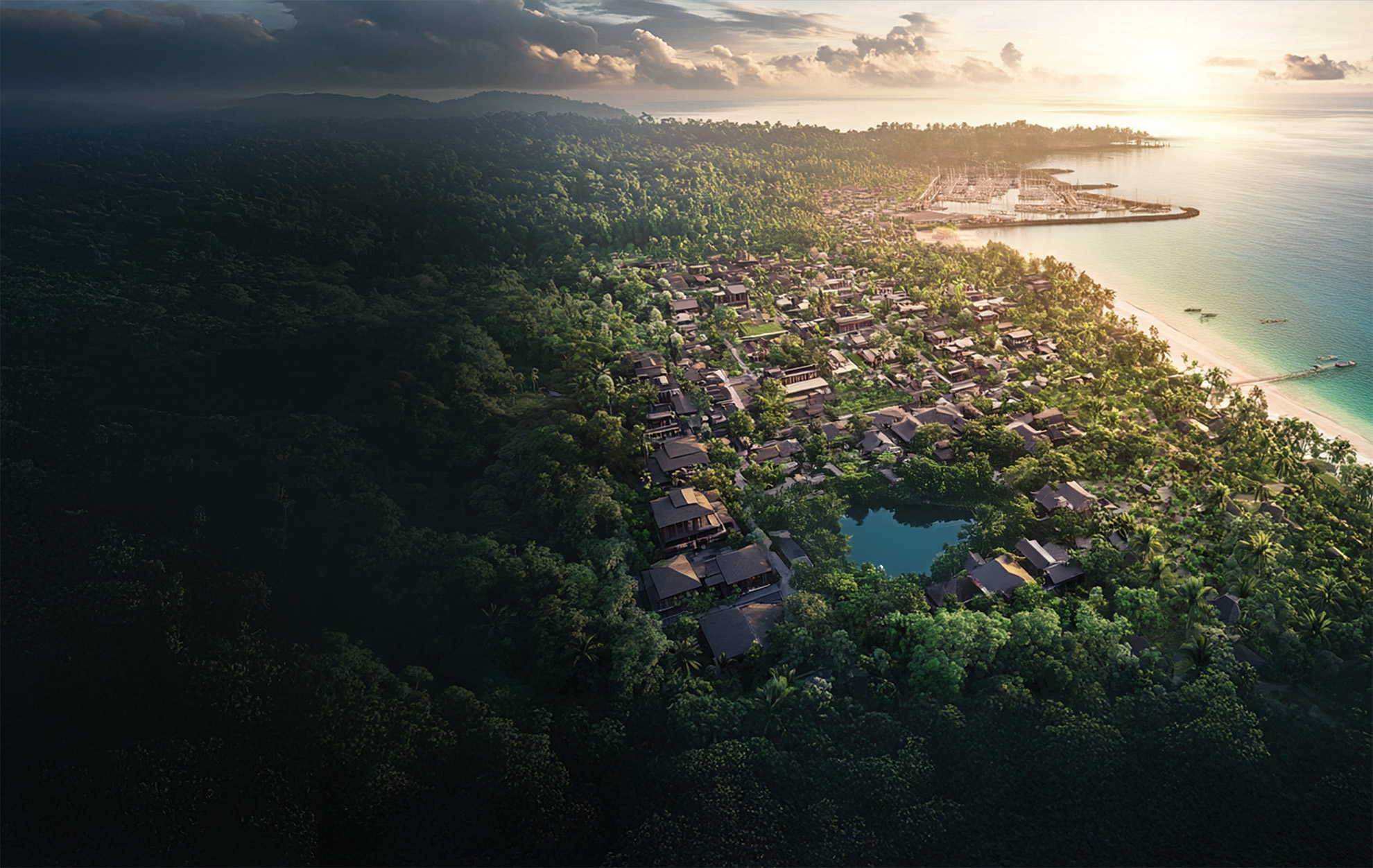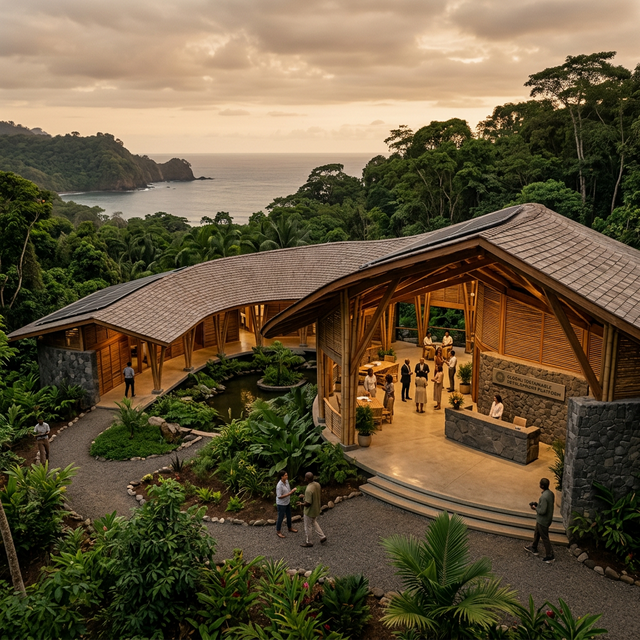
Access is part of the destination experience.
Mentawai Bay honors the journey as an essential part of the experience, prioritizing elegant, low-impact arrival over volume. Our interconnected network seamlessly unites carbon-conscious aviation, quiet marine transfers, discrete logistical flows, and intelligent emergency response—allowing guests, residents, and conservation guardians to traverse the archipelago with absolute peace of mind.
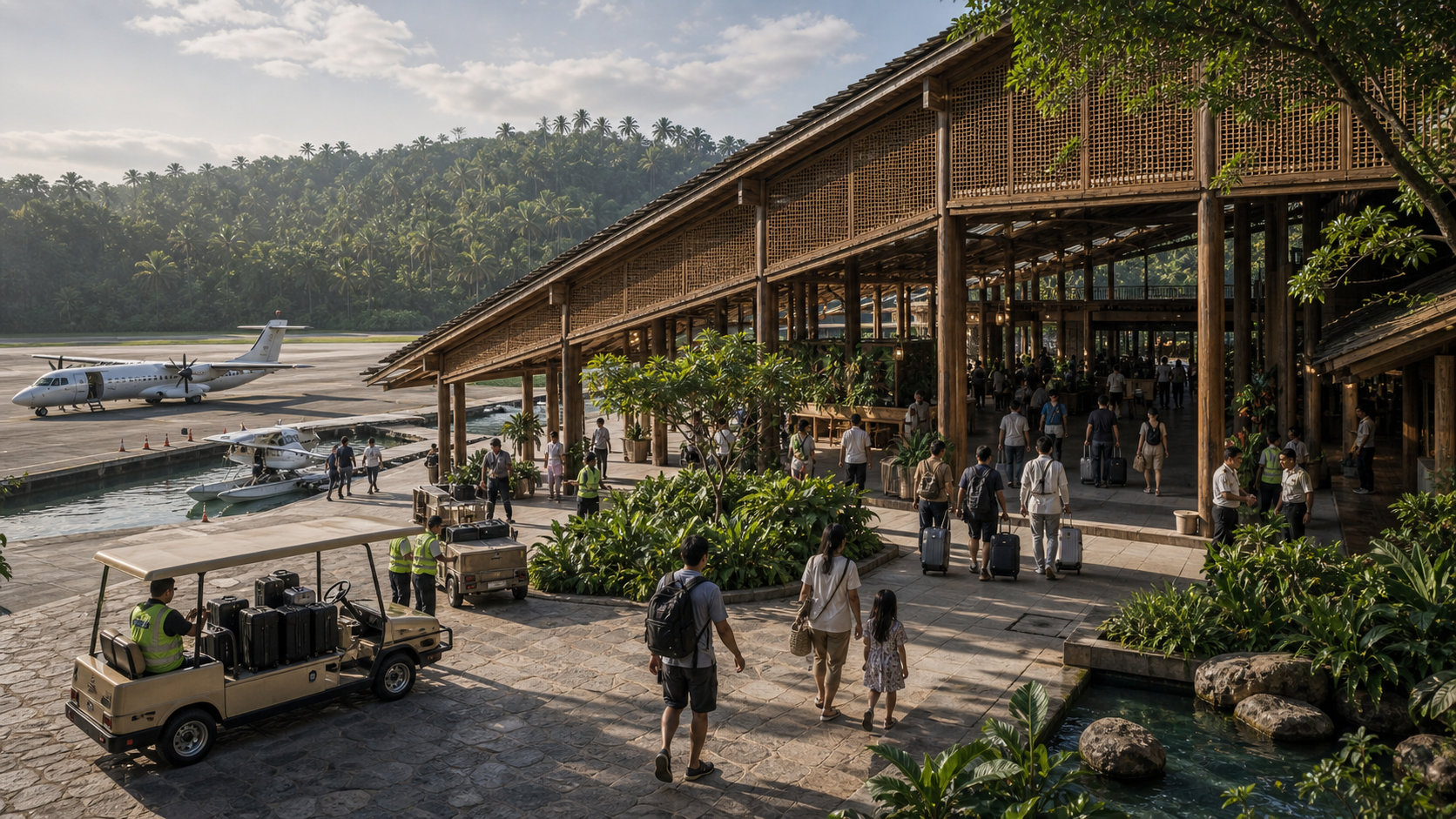
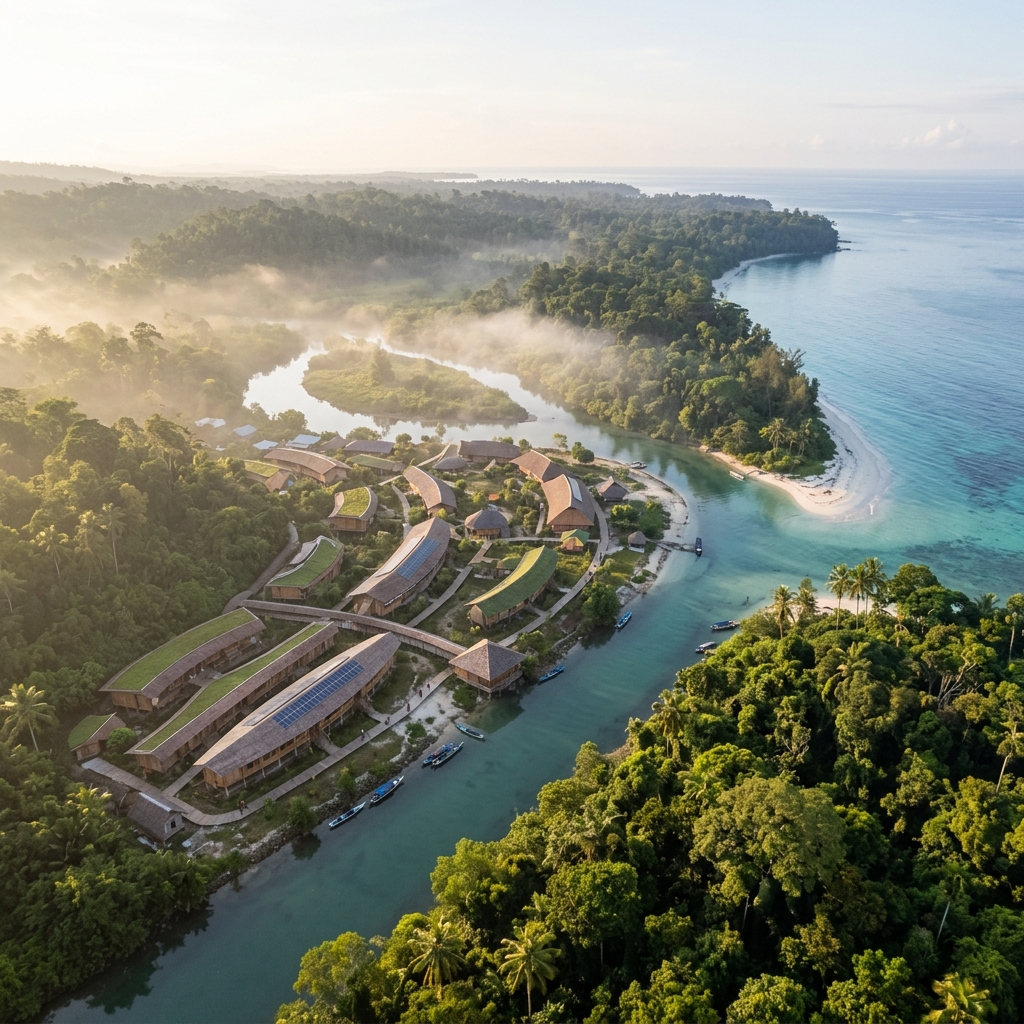
A gateway scaled to the island, not a mass-airport promise.
Designed to touch the earth lightly, Pei Pei International Airport serves as a highly curated gateway for premium arrivals, ecological tourism, and vital humanitarian resilience. Its growth is mindfully synchronized with strict environmental covenants, regulatory approvals, and the island's long-term carrying capacity, ensuring our biophilic sanctuary remains pristine.
Air access can grow through partners before any owned airline.
The near-term aviation strategy is to secure capacity through qualified operators, charter programmes, scheduled service partnerships, and demand-tested routes. This allows the programme to improve access while keeping safety, certification, fleet economics, and passenger demand in balance.
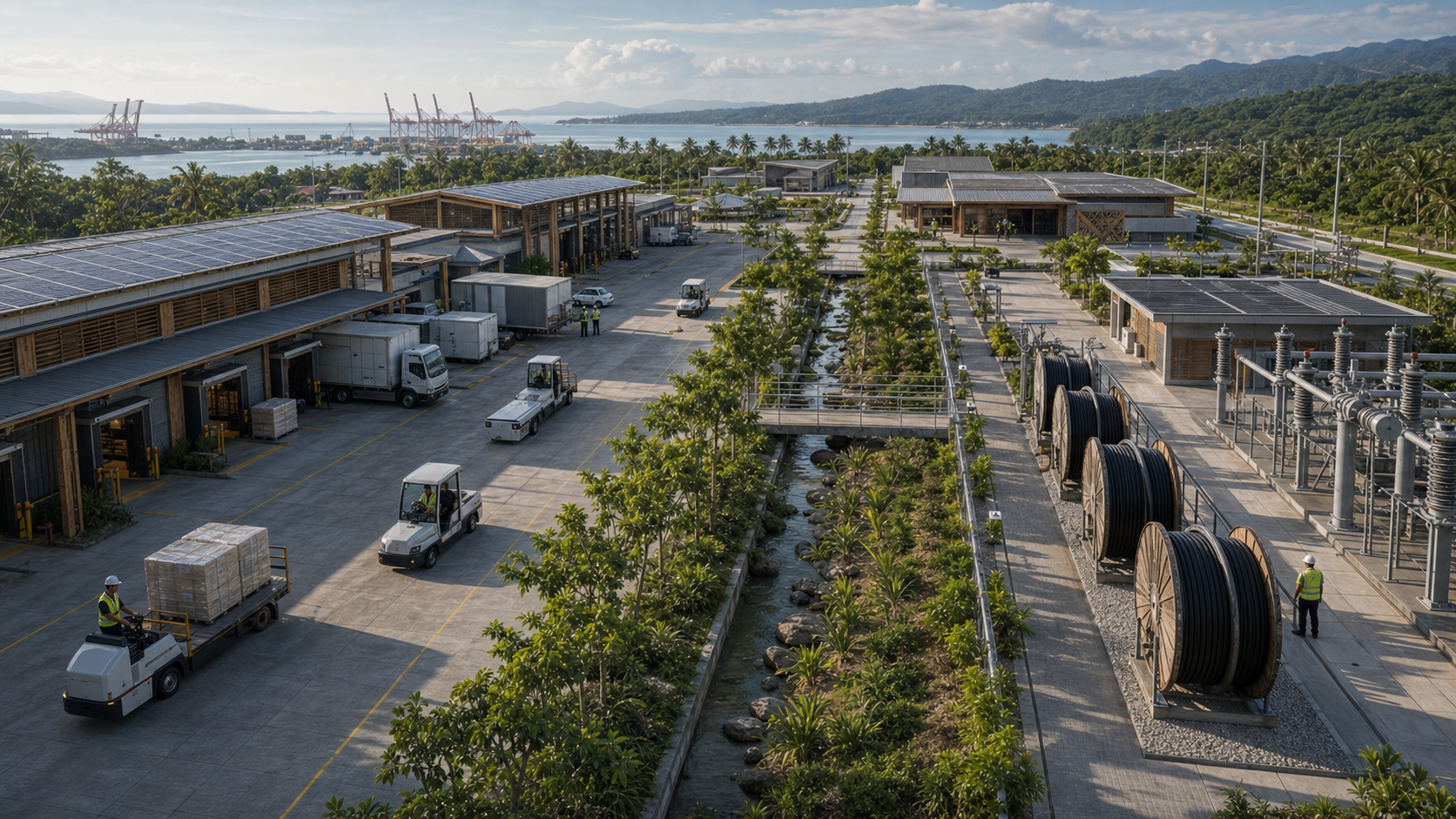
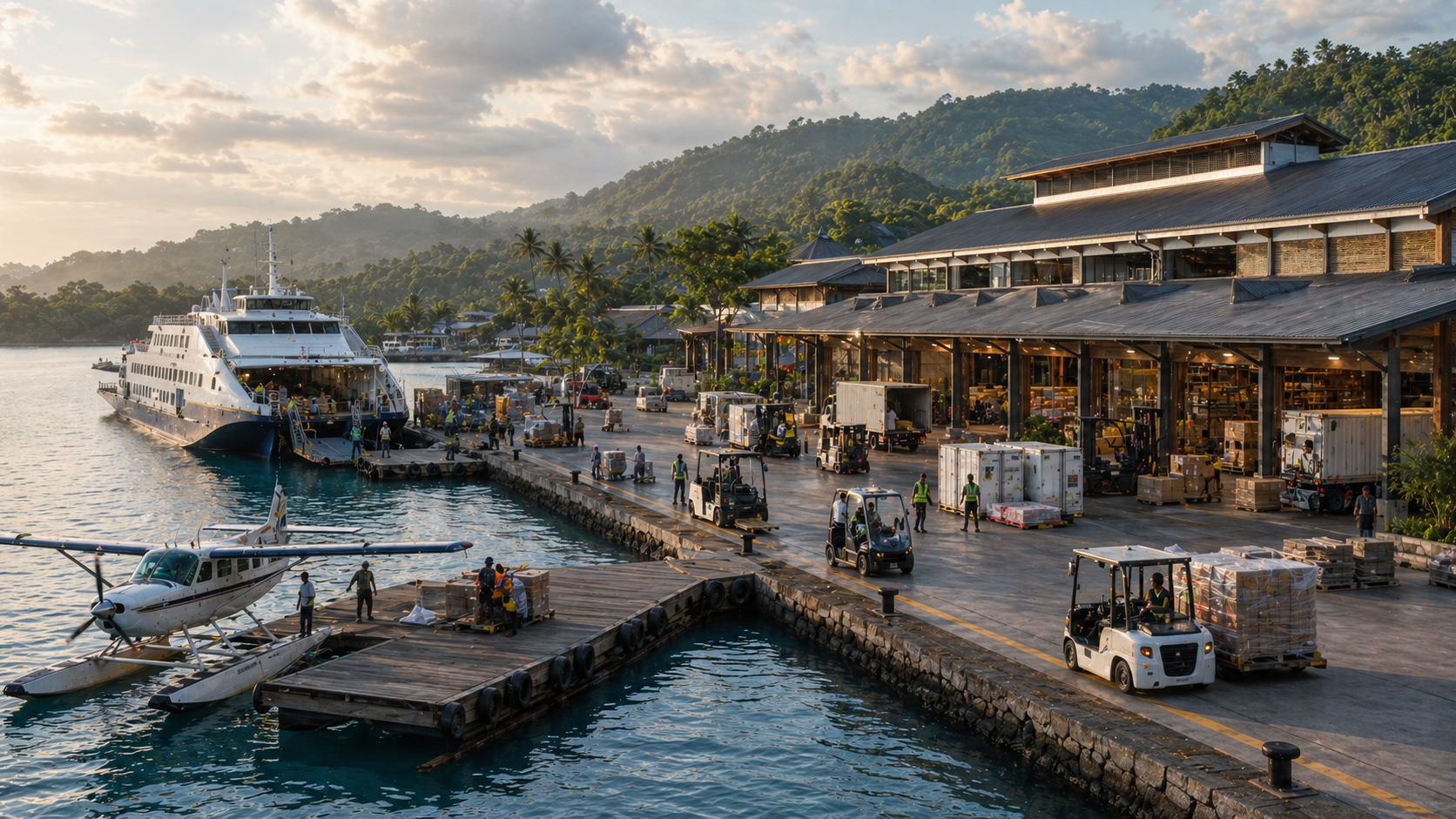
Elevating the Journey: Future Sky Lanes
Our vision is to introduce dedicated, carbon-conscious air connectivity that treats the sky as a natural extension of the island's sanctuary. Under the banner of Mentawai Air, this bespoke, low-emission travel experience is designed to offer scenic, quiet transitions from regional hubs directly into our biophilic gateway, ensuring that arrival is just as inspiring as the destination itself.
A premium utility layer for an archipelago setting.
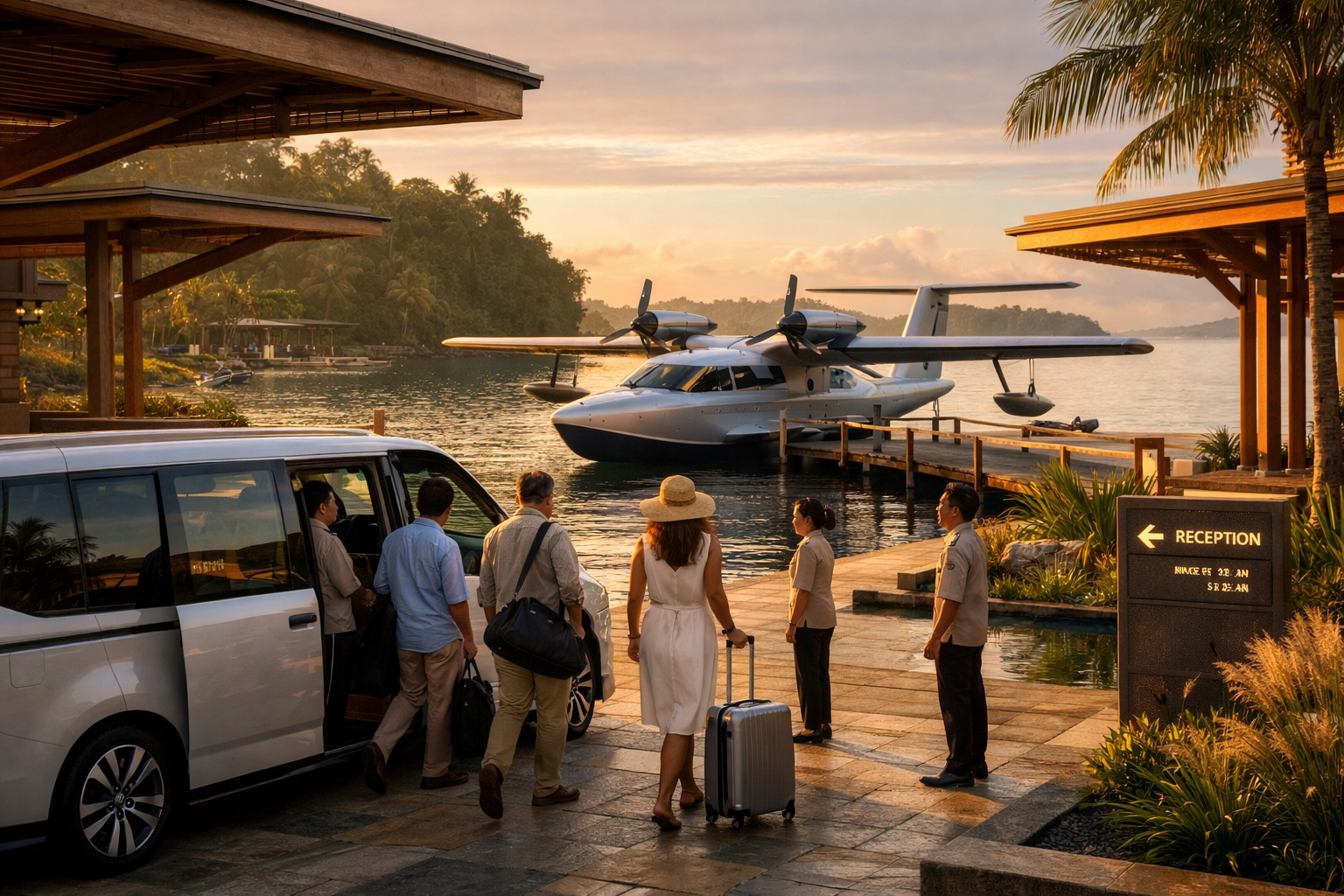
Seaplanes and amphibious aircraft can support marina transfers, The MAC, surf access, medical evacuation, conservation work, island logistics, and inter-island mobility. They complement airport and marine access, especially where water-based operations create a better fit for the archipelago.
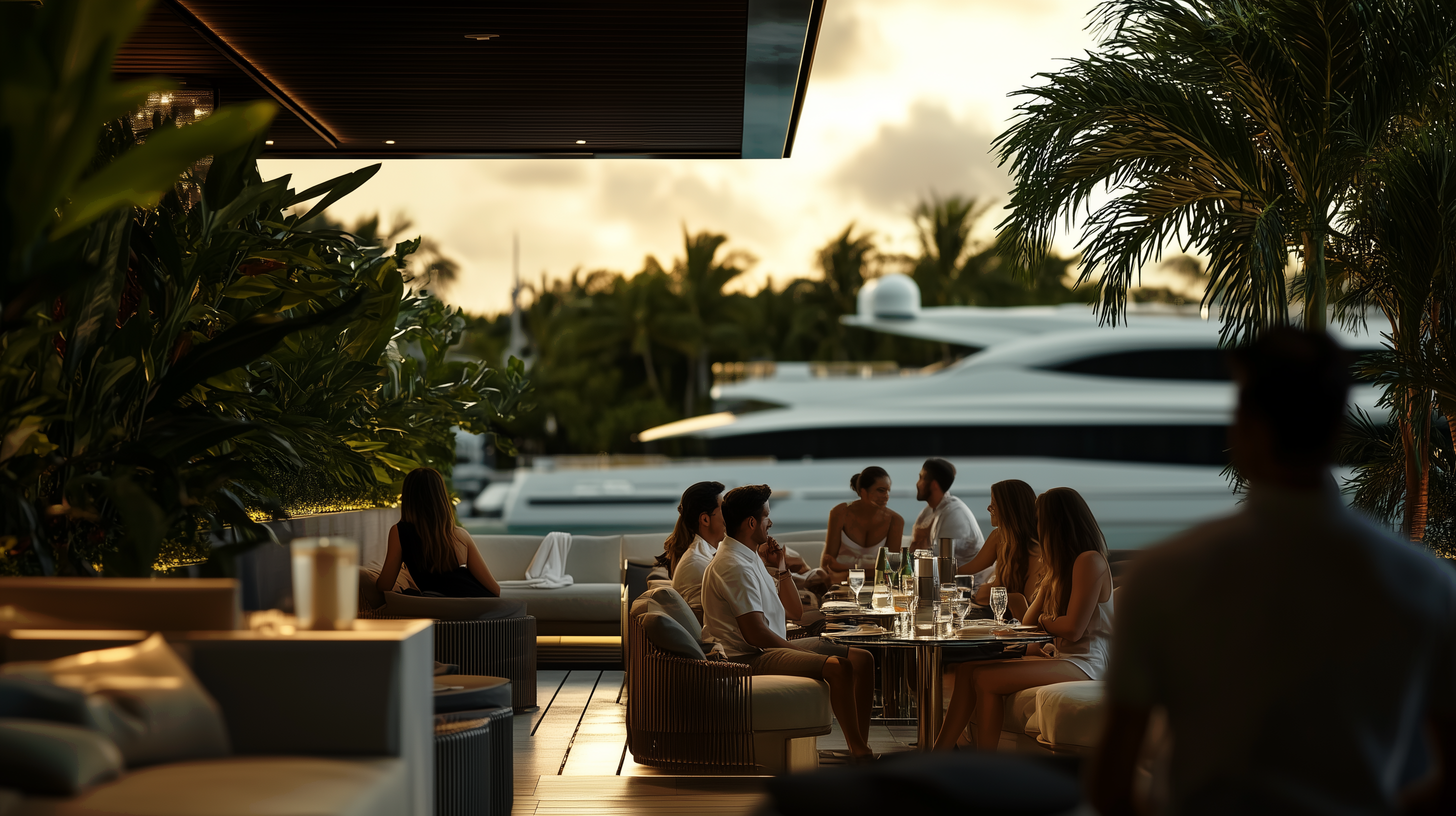
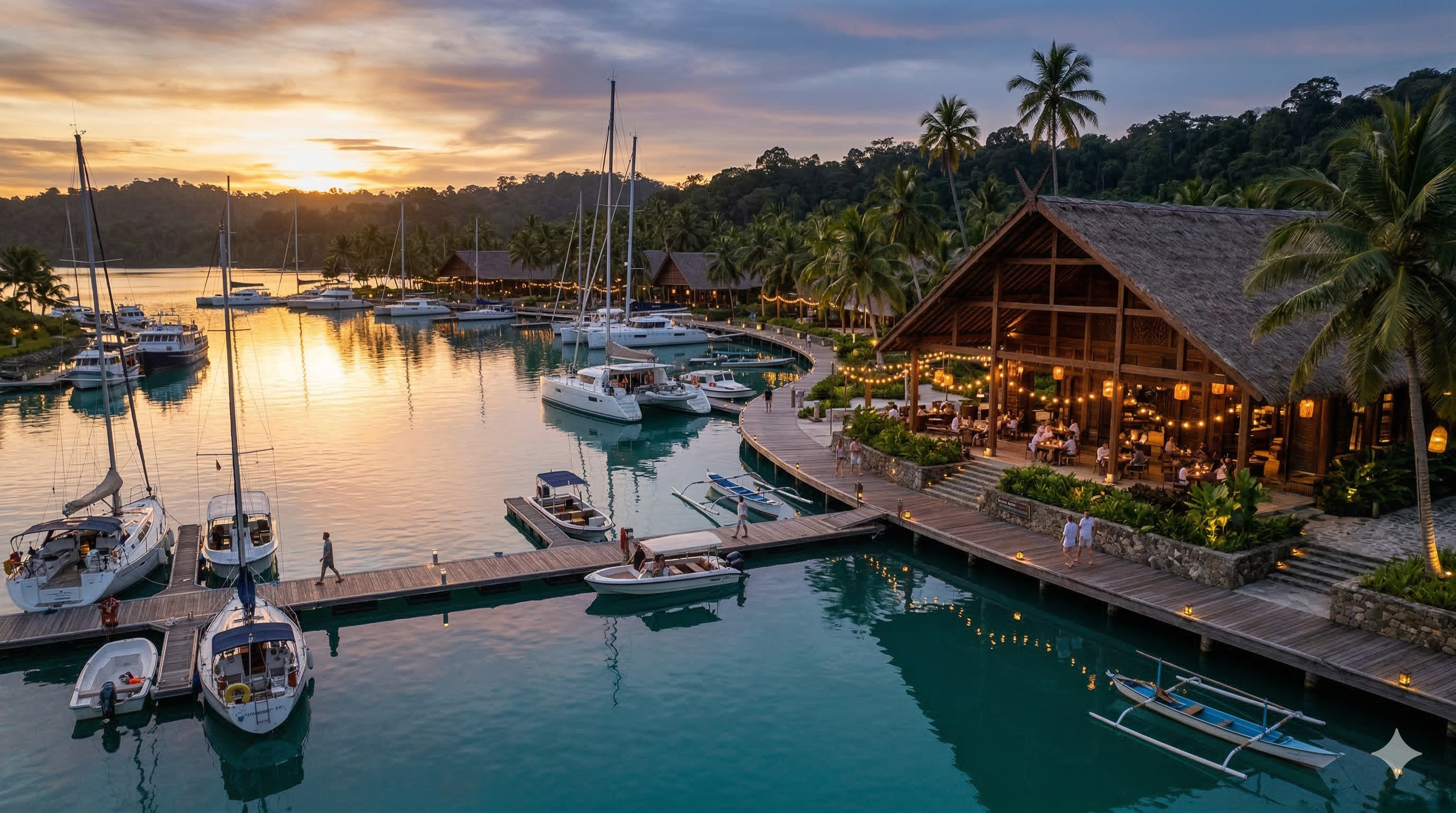
The Rhythm of Place: Seamless Mobility
Movement through Mentawai Bay is designed as a calm, intuitive transition. By weaving together silent electric water transfers, low-emission shuttles, and shaded walking paths under a biophilic forest canopy, we preserve the quiet beauty of the landscape. Every journey across our precincts is crafted to feel natural and effortless, celebrating the rare luxury of slow, considered travel.
Capacity grows only when the evidence supports it.
Access capacity is intended to scale with real demand: hotel occupancy, resident needs, investor travel, event programming, medical capability, logistics requirements, conservation access, safety readiness, and regulatory approval. The goal is dependable connectivity without sacrificing the island's environmental and cultural limits.
"The access strategy is deliberately staged: prove demand, secure the right capacity, protect quality, then scale only when justified."
Explore the access context
Access & Mobility connects the island's geographic position with the airport gateway, marine arrivals, and low-impact movement across the destination.