
Rainforest residencesVision
SiberutReimagined
Southeast Asia's first integrated sustainable Special Economic Zone - 2,639 hectares where nature and civilisation advance together.
One SEZ.Four Strategic Platforms.

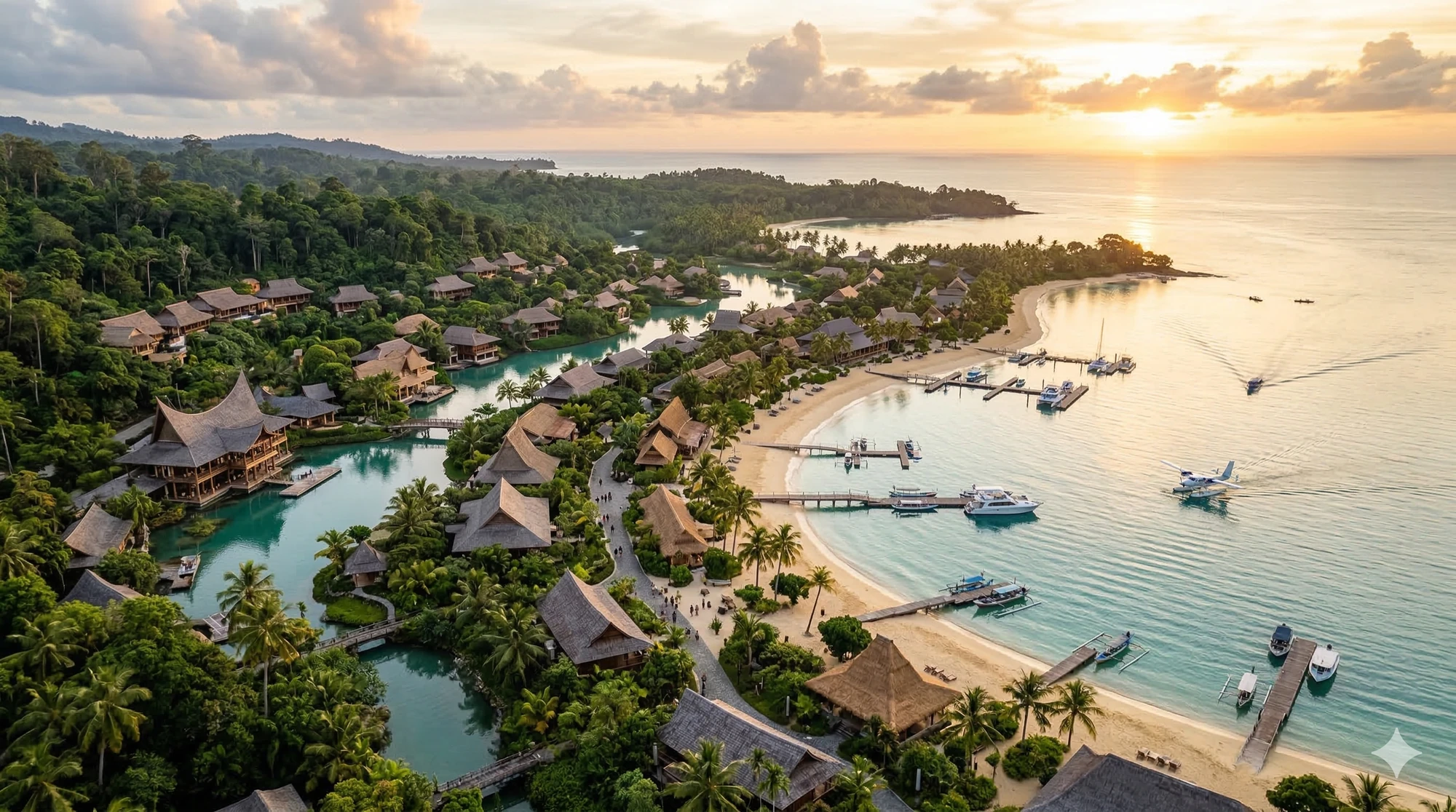
Mentawai Bay
Island DestinationEco-tourism, boutique hospitality, performing arts, culinary excellence, premium surf.
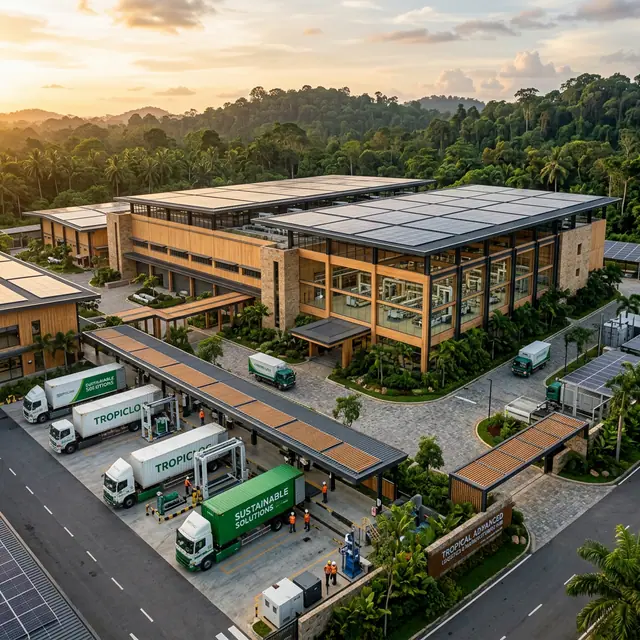
Mentawai Resources
Mainland Industry500 hectares of clean energy and advanced manufacturing: geothermal, green hydrogen, aquaculture.
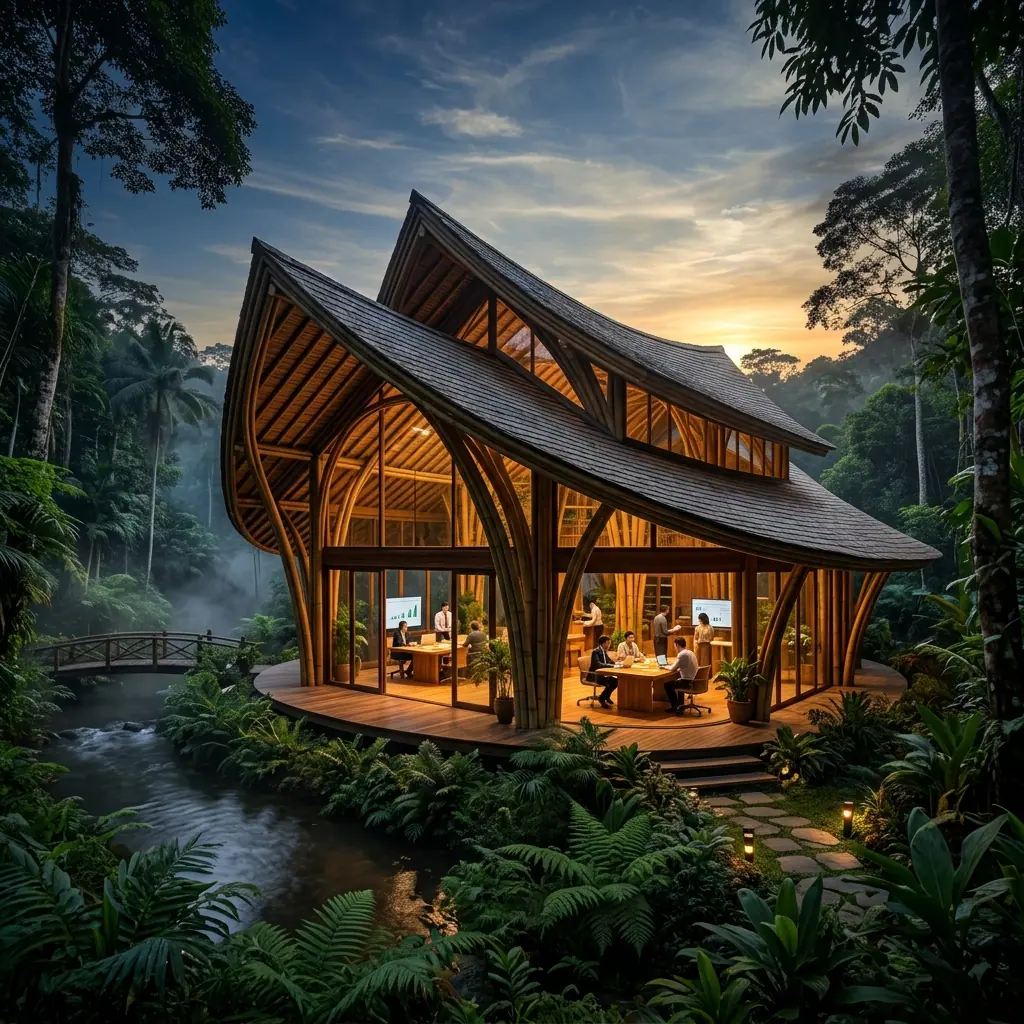
Finance
Green Finance HubSEZ-bounded sandbox for ESG-aligned investing, green bonds, and carbon credit trading.
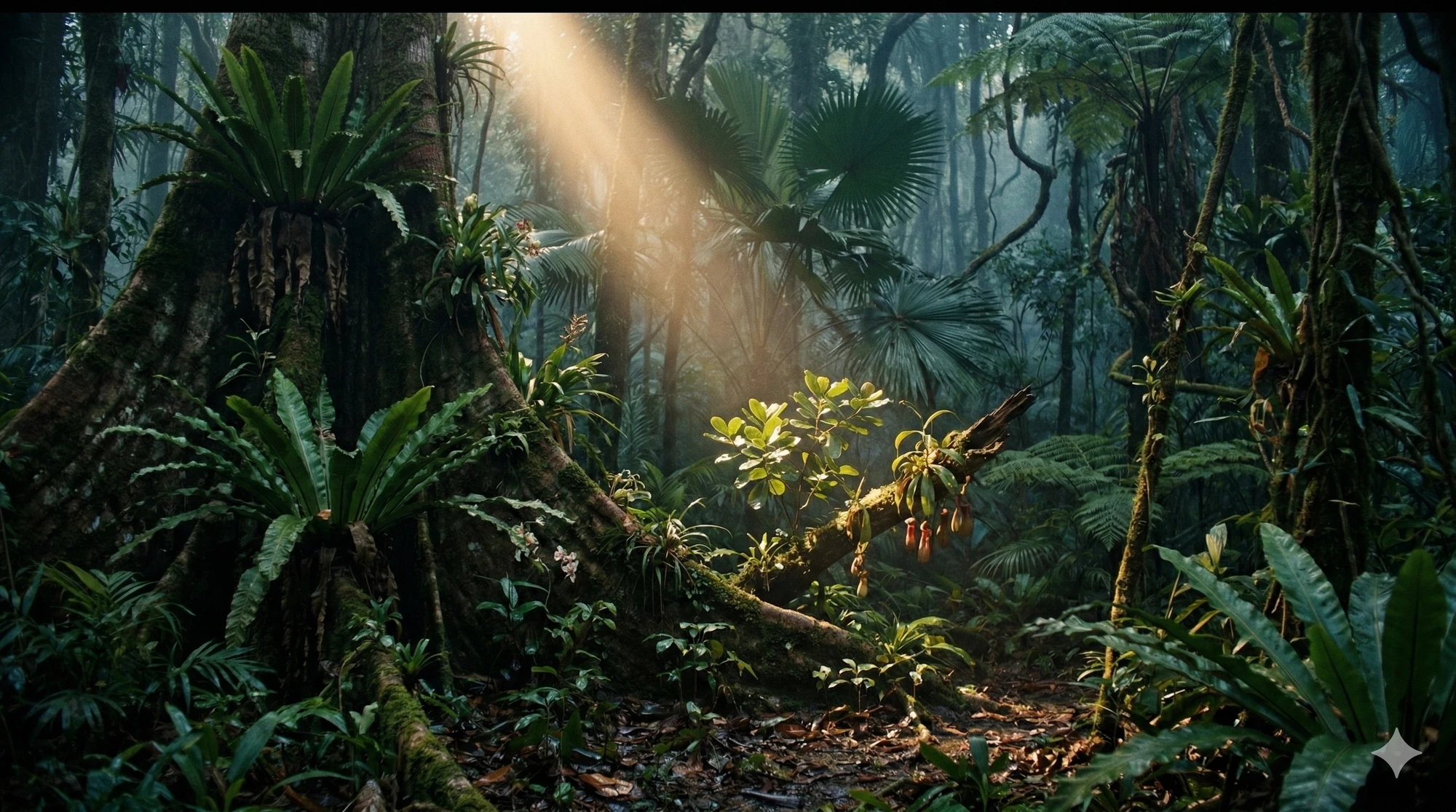
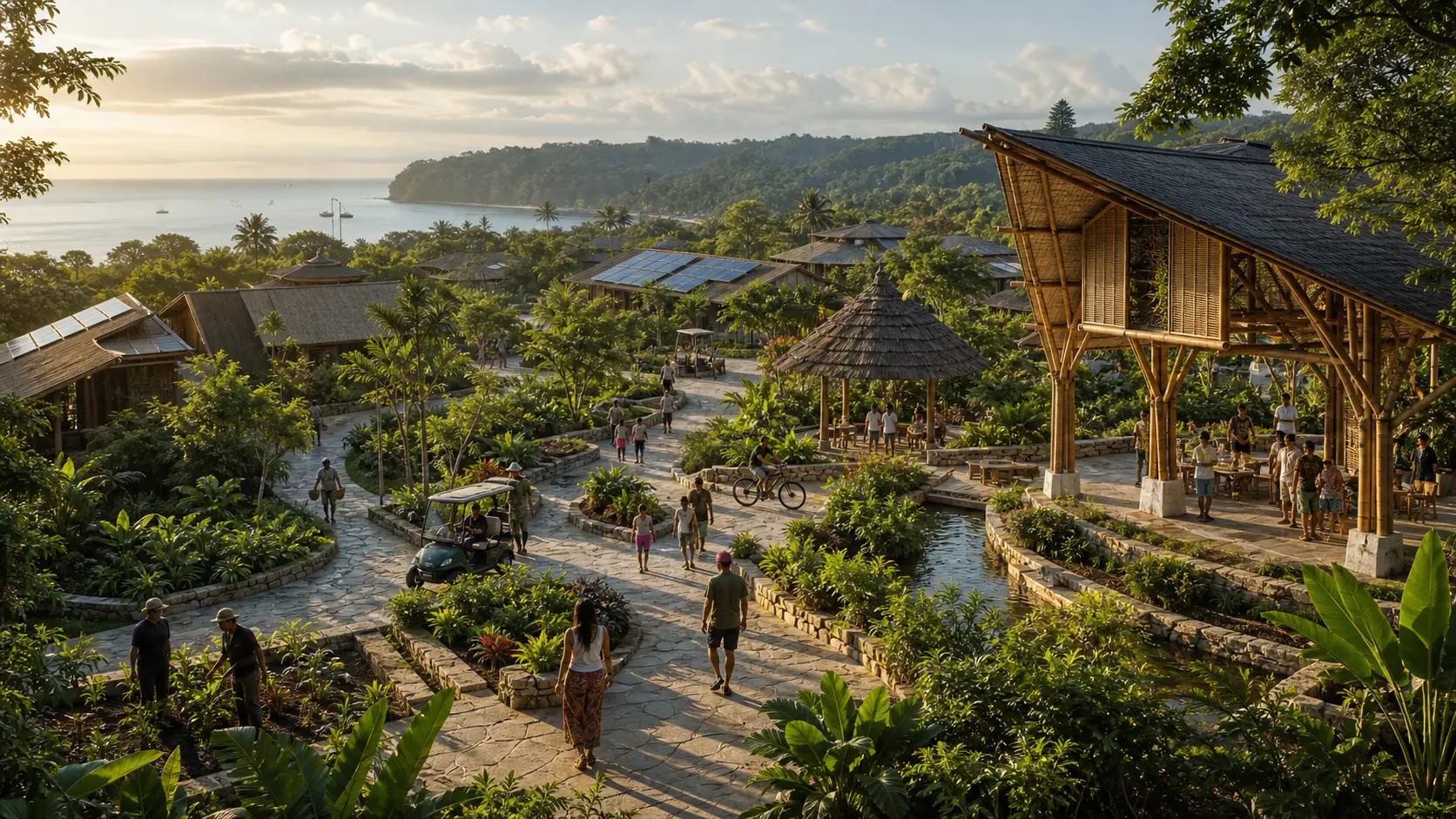
Bioclimatic Core
The 15-minute island city where every building breathes with the tropical environment
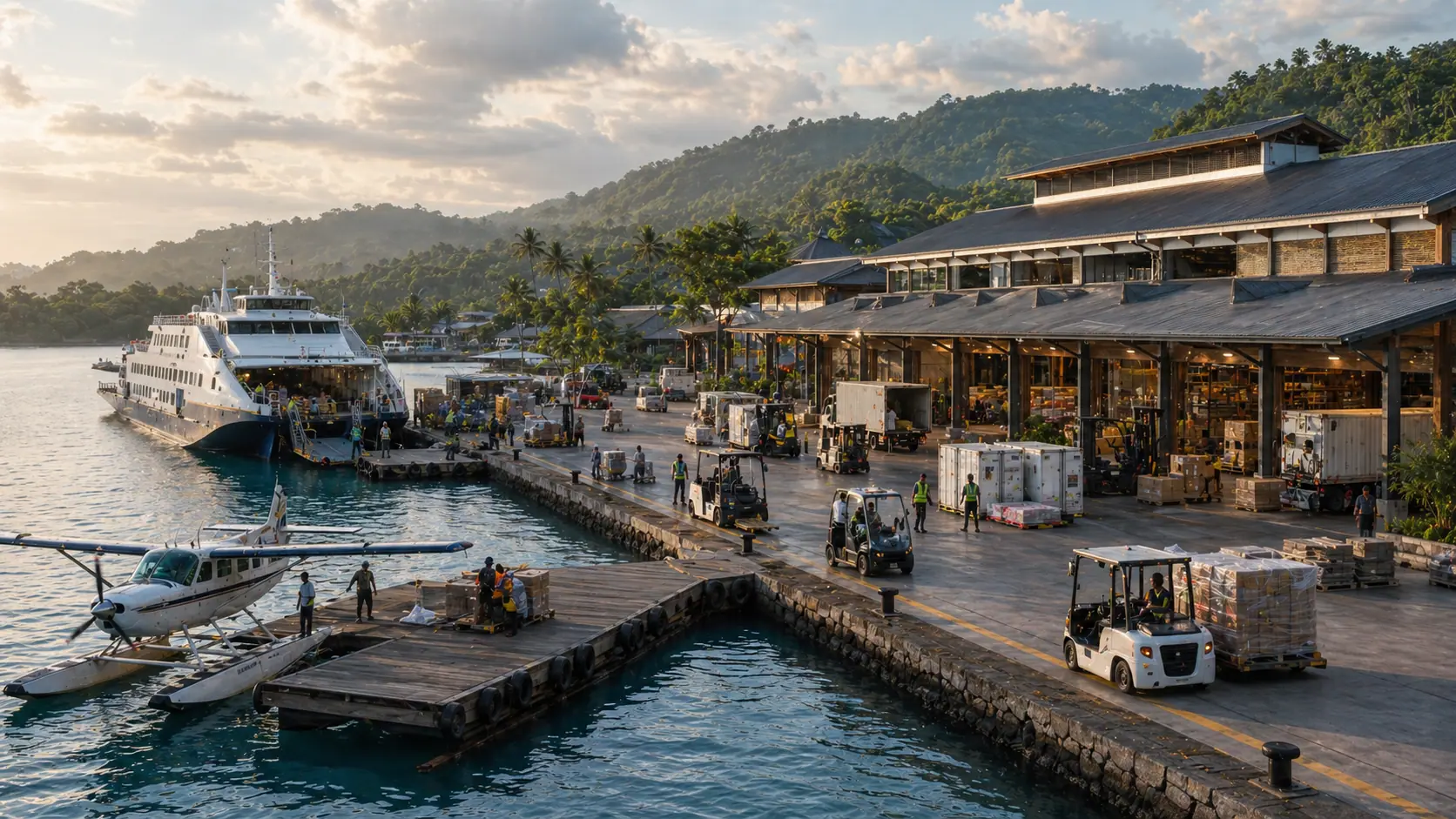
Autonomous Logistics
Smart ports, seaplane bases, and zero-emission transit connecting island to mainland
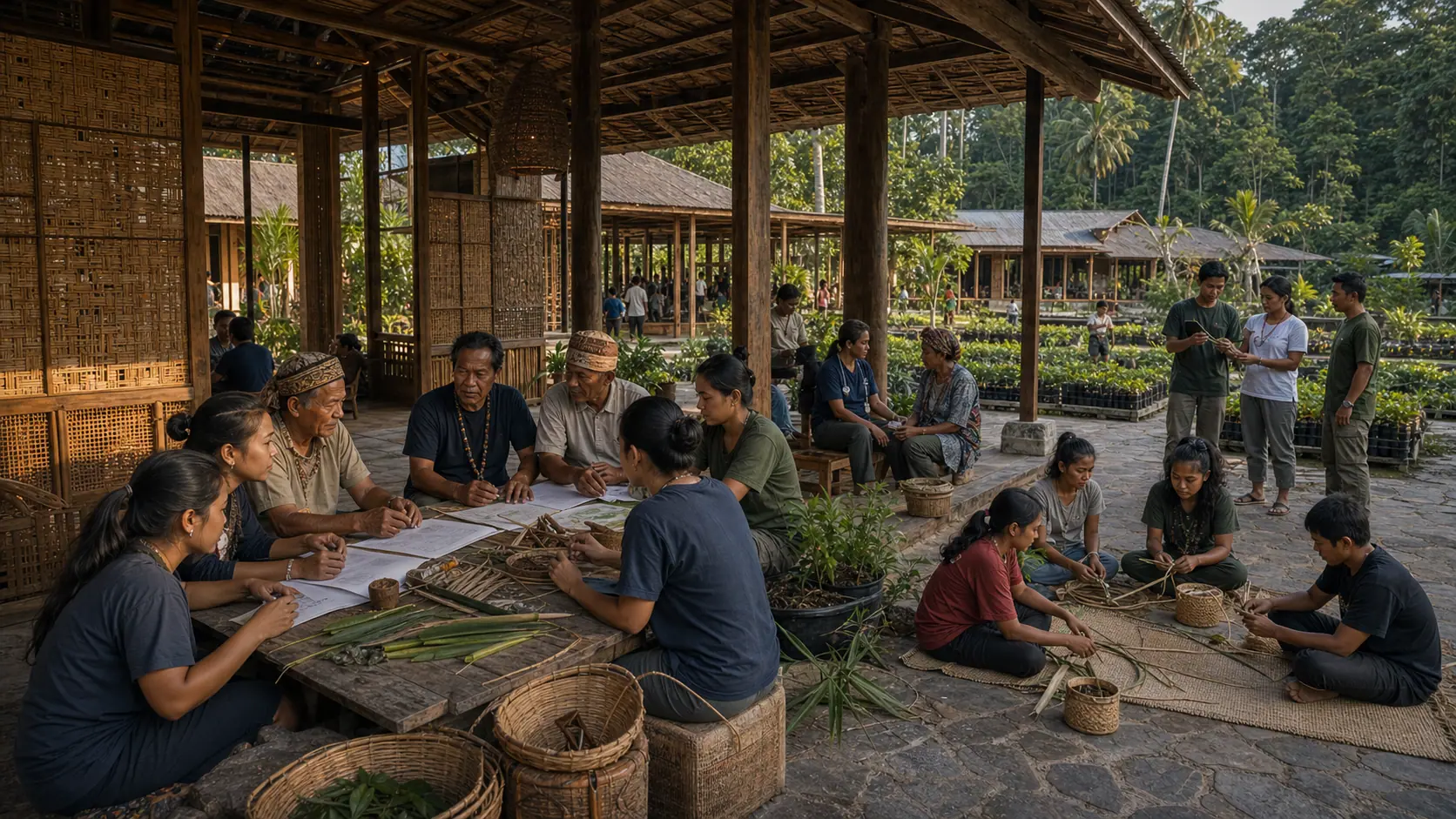
Cultural Sovereignty
Preserving the world's oldest living culture while building tomorrow
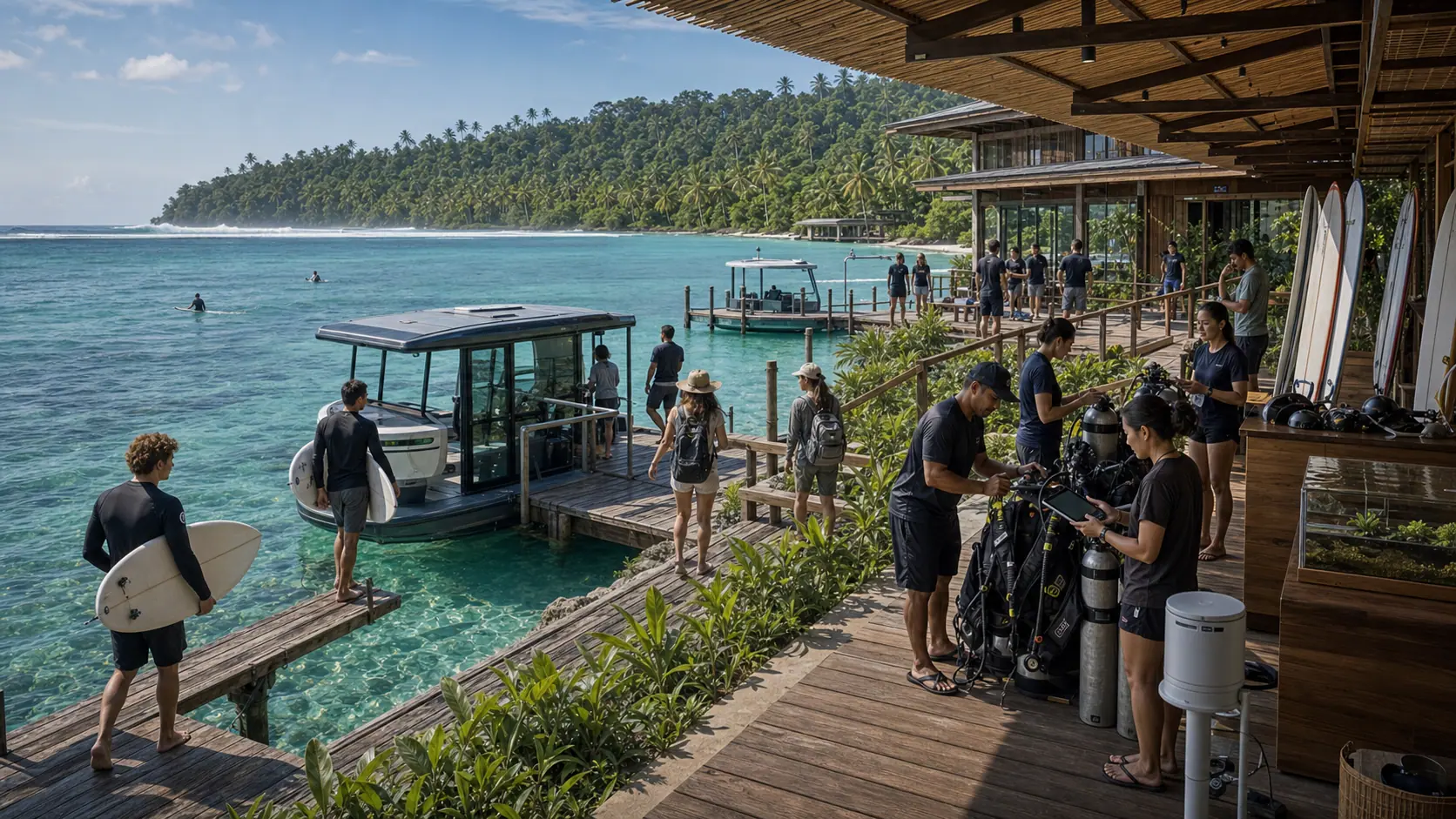
Marine Economy
World-class marina infrastructure, sustainable yachting, HVO bunkering, and blue-economy commerce linking island to global shipping lanes
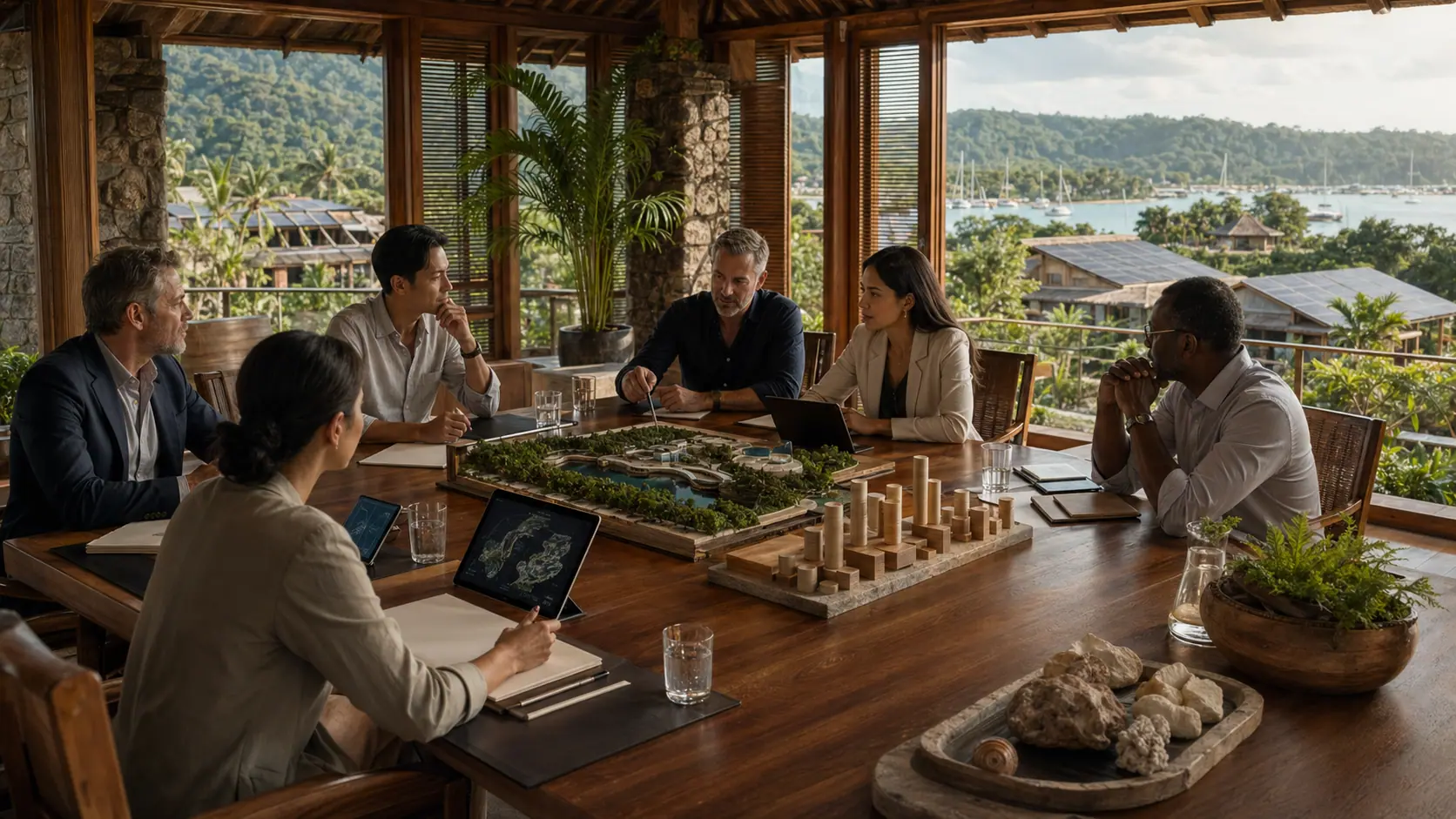
Investment Horizon
31.4% blended IRR across a phased 2026-2048 roadmap - sovereign-grade returns anchored to a 100-year conservation covenant
The ParkGrows.
- Half the island, still wild. Siberut National Park guards the western half of the island, from the forested spine to the Indian Ocean coast.
- The east is still being cut. East of the spine, logging has already opened the forest, and more land is at risk of becoming plantation once the concessions end.
- A town on one stretch of coast. The entire Special Economic Zone - every district, marina and runway - will sit on a single stretch of the south-east coast.
- Returned to the forest. Logged and threatened land will be bought back and returned to the national park, until forest protects almost the whole island.
- National park today
- Logged forest
- Forest under threat
- Mentawai Bay SEZ
- Park under the covenant
- Villages, farmland and coast
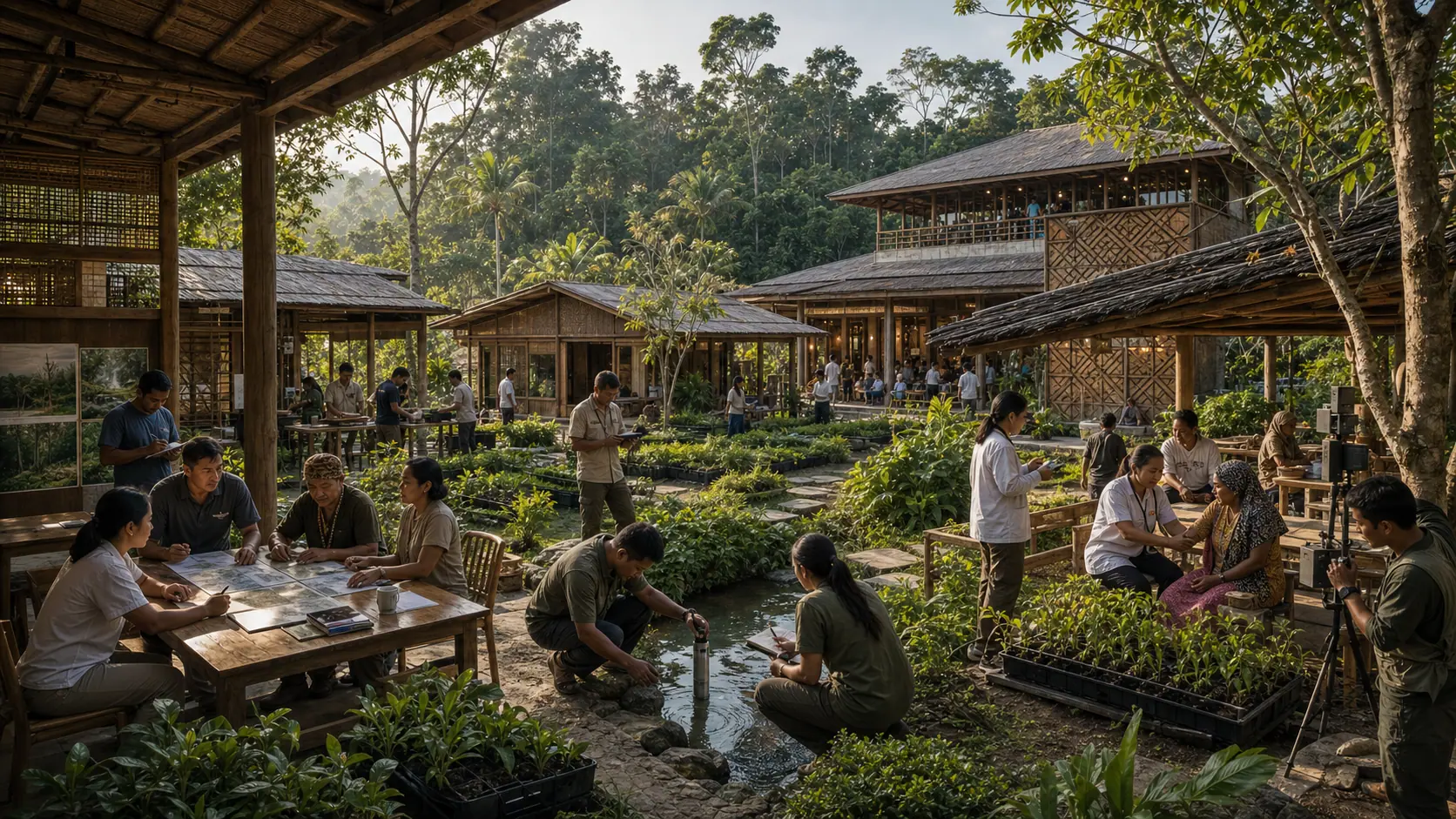
The Living Commitment

of Siberut mammals found nowhere else on Earth
Siberut hosts the highest concentration of endemic mammals in the Mentawai archipelago - including the pig-tailed langur, Mentawai macaque, and four gibbon species found nowhere else on Earth. The SEZ covenant prohibits development within designated wildlife corridors.
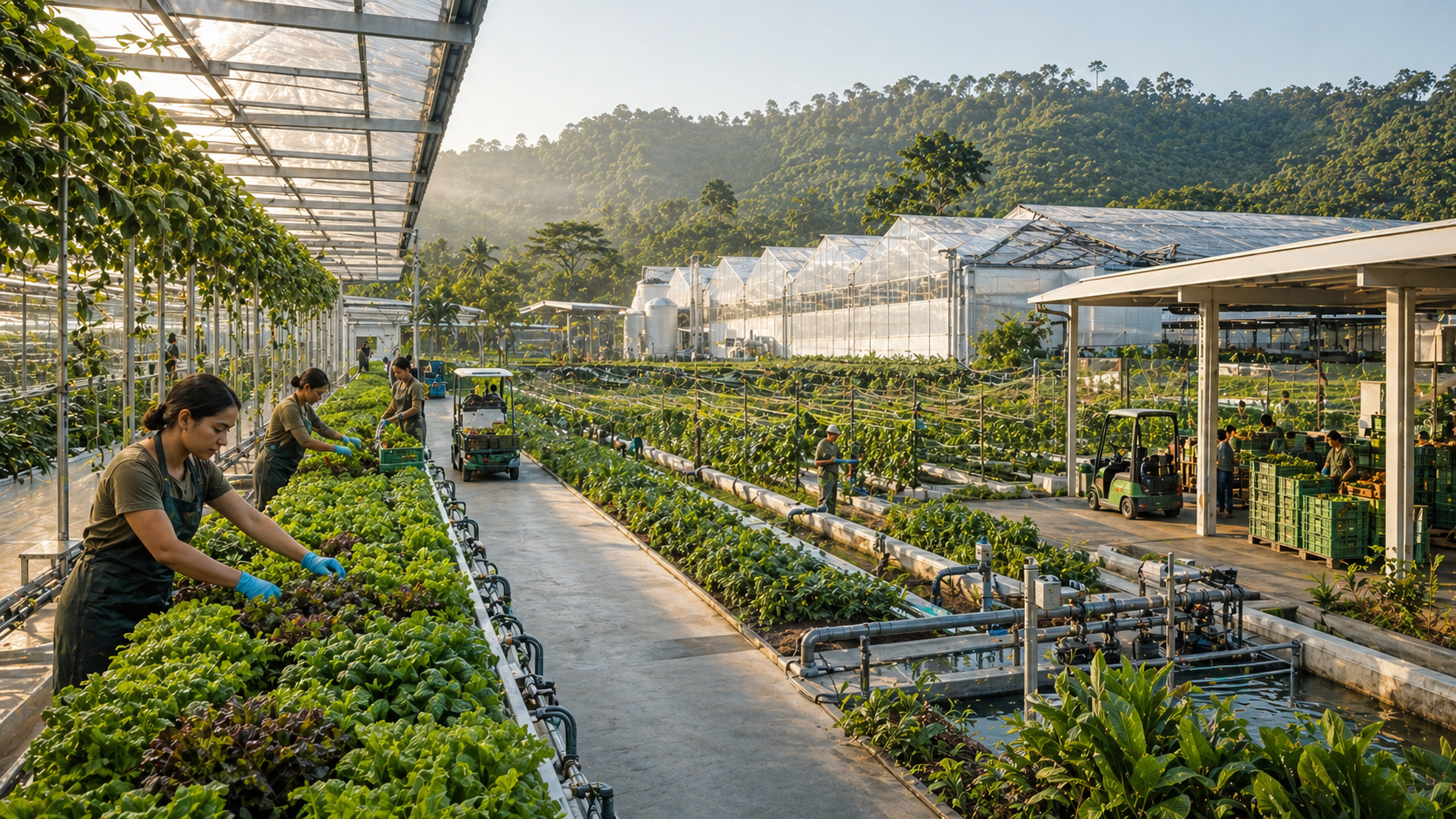
of recorded plant species found only on Siberut
Approximately 15% of Siberut's recorded plant species are endemic - evolved entirely in place over millions of years of island isolation. The SEZ mandates botanical survey and seed-banking programmes before any ground is broken.
several still undescribed by science
53 recorded reptile and amphibian species inhabit the island's rainforest and river systems - several undescribed by science. The Primate Index monitoring network extends to herpetofauna, feeding real-time population data into SEZ ecological compliance reporting.
including Mentawai scops owl and hanging parrot
135 bird species recorded on Siberut - including endemic species found nowhere else. The island sits on a key Indo-Pacific migratory route. Dark-sky and acoustic buffer zones are written into the SEZ land-use covenant.

by 2048, tracked via annual satellite analysis
Siberut's current forest cover stands at approximately 48% of its historical extent. The SEZ targets 85% by 2048 through active reforestation, corridor restoration, and an end to land-use conversion. Progress published annually in the ESG telemetry feed.
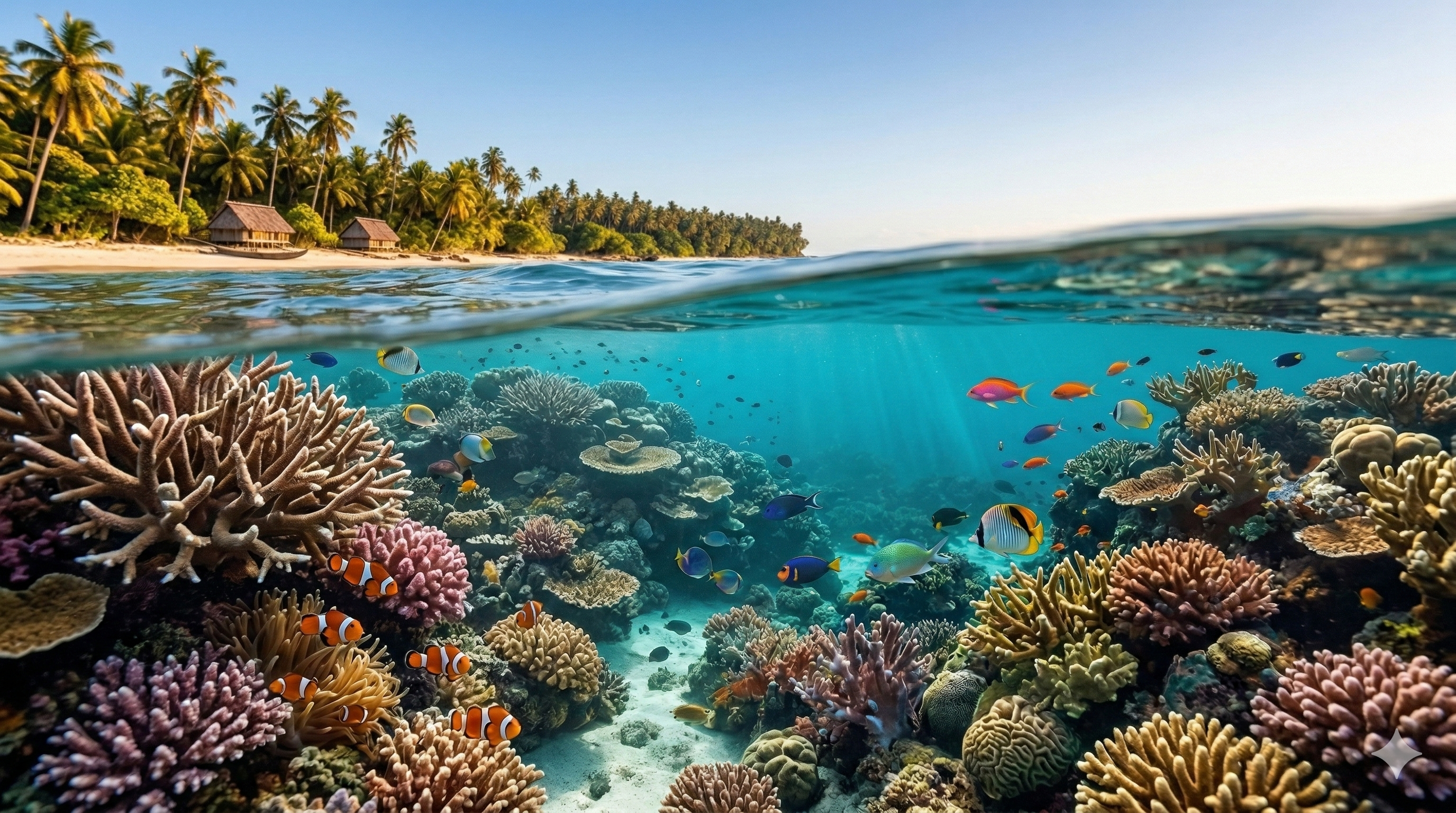
reef, seagrass and mangrove networks protected
Only 12% of Mentawai's coastal waters are currently under formal marine protection. The SEZ targets 65% by 2048 - covering reef systems, seagrass beds, and mangrove networks. Marine sanctuary boundaries are written into the SEZ operating licence and enforced through the Ocean Intelligence platform.

Legacy Trust
Every investor and operator signs a legally binding covenant reviewed every decade.
Every operator, investor, and resident signs into a 100-year Legacy Trust - a legally binding conservation covenant that cannot be dissolved by any single party. Ecological targets are reviewed every decade by an independent panel. The land is not owned. It is stewarded.

Eradication of Malaria
Malaria remains present in parts of Siberut. The SEZ health programme targets eradication through vector control, clean-water infrastructure, and community health workers embedded in every district. No development phase proceeds without a corresponding health infrastructure milestone.
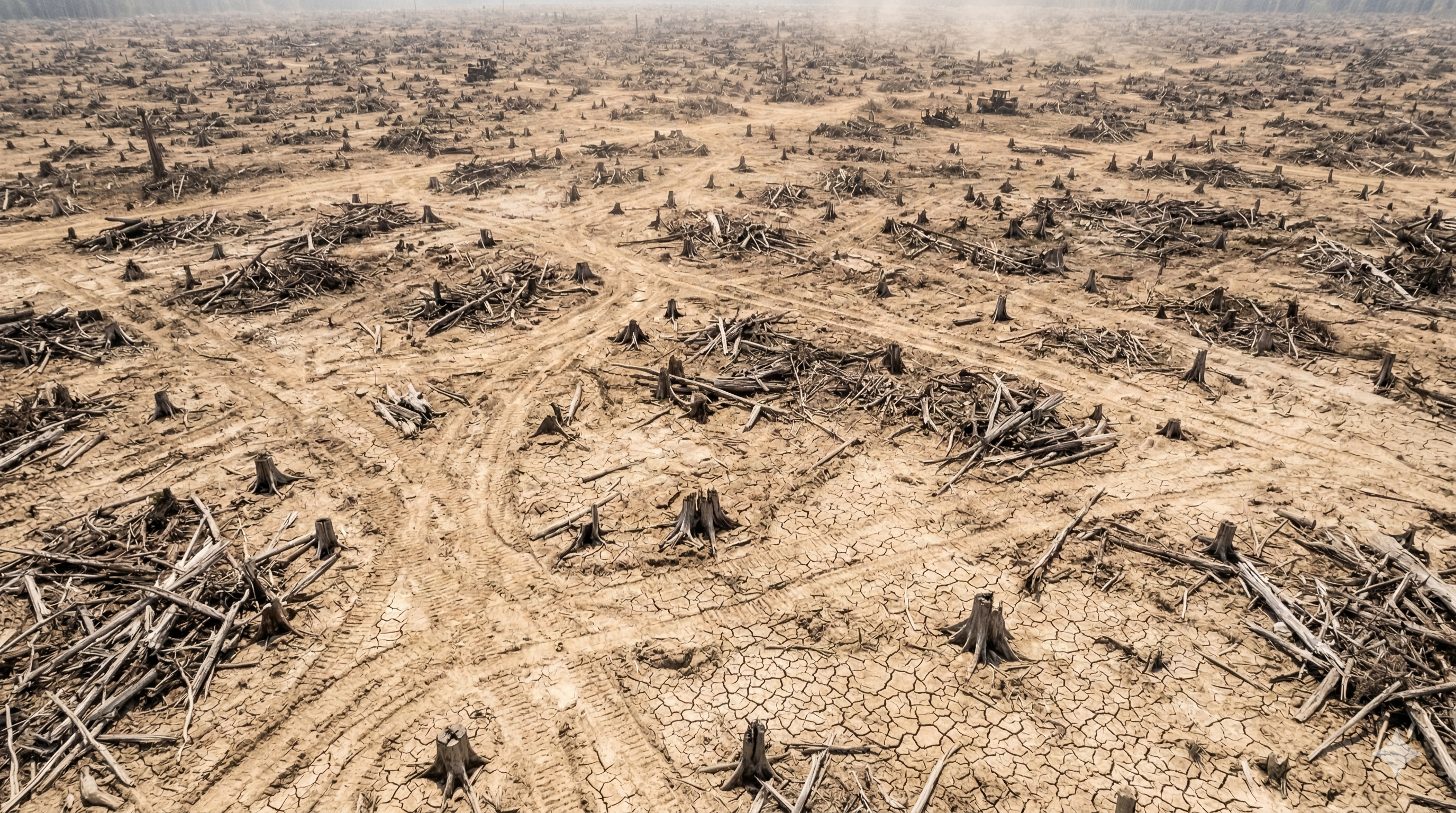
Elimination of Illegal Logging
The SEZ deploys satellite monitoring, community ranger networks, and economic alternatives - replacing extraction income with covenant-backed conservation payments routed through the Blue Carbon Ledger. Forest crime becomes economically irrational.

CO2e/yr ring-fenced nature & blue carbon by 2047
Protected rainforest (MCF-REDD-01) and coastal marine sanctuaries (MCF-BLUE-02) generate 1.18M t CO2e/yr in verified nature and blue carbon credits by 2047 (14.23M t cumulative) - delivering a 2.3x to 4.1x self-liquidating payback on the US$250M 5-year conservation intervention budget.
species monitored via Primate Index
Six endemic primate species found nowhere else on Earth - including Kloss's Gibbon - within a UNESCO Biosphere Reserve. The Primate Index monitors populations in real time, feeding data directly into SEZ conservation covenant compliance reporting.
The Technology Stack
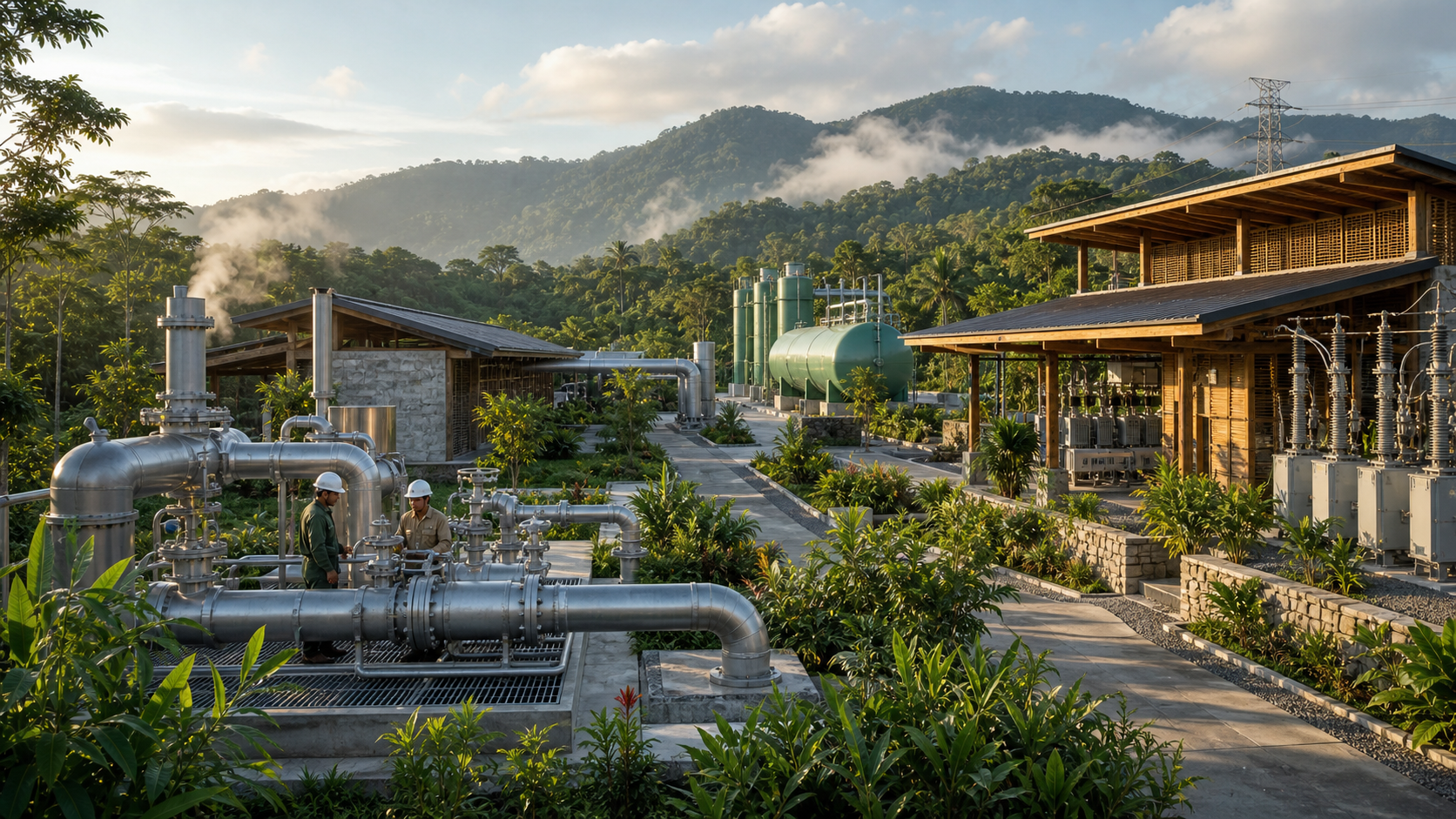
Geothermal Grid
Phased geothermal generation from Padang, delivered through HVDC infrastructure. Zero diesel dependency by design.
Siberut rests on the Australian tectonic plate - geologically stable, not volcanic. Mainland geothermal generation is planned as a phased 450-550MW portfolio, with HVDC infrastructure sized to scale from an initial 300MW rating toward 400MW as demand and generation ramp. Designed for >99.5% uptime. Zero diesel dependency by design.
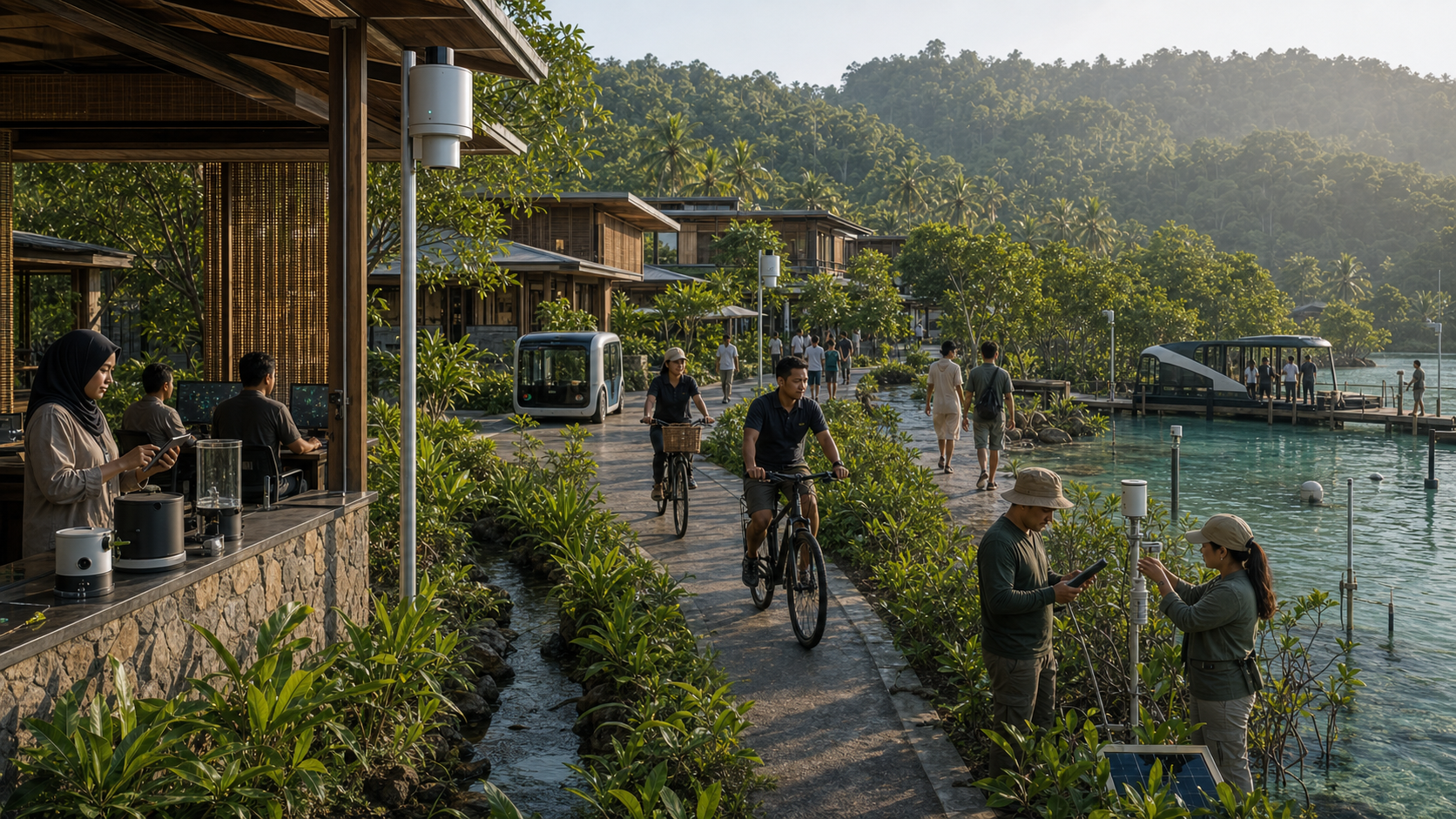
Autonomous Transit
Zero-emission robo-taxis, seaplanes, and smart port logistics. No private cars. Max 3-min wait.
A fleet of autonomous electric robo-taxis - developed in partnership with Verne, Rimac's autonomous division - serves as the island's primary covered transport, with maximum 3-minute wait times. Pedestrian-first superblocks. Seaplane connections to Padang for mainland arrival.
Blue Carbon Ledger
Targeting 1.18M t CO2e/yr in ring-fenced rainforest and blue carbon credits alongside 1.47M t CO2e/yr in industrial avoidance and removal by 2047 (US$464M-$852M Carbon NPV). Every tonne is verified, retired internally on ACTA for 100% Scope 2 neutrality, or tokenised on MentEx - engineering preservation that funds itself.
ilipa One SEZ OS
Central nervous system. ERP, registry, capital gateway, and real-time ESG telemetry - sovereign infrastructure.
A "Two Clouds, One Bridge" architecture separates regulated and non-regulated workloads through an auditable Glass Wall Bridge. Modules span ERP, the Revenue-Linked Application Gateway, the ACTA corporate registry, MentEx market infrastructure, and real-time ESG telemetry for every operator in the zone.

Agentic Concierge
AI digital steward for every resident and visitor. Logistics, governance, residency - in real time. No data sold.
Not a chatbot. A digital steward woven into the ilipa One stack - available to every resident, operator, and visitor from first contact. Handles logistics, residency, governance queries, and operational intelligence in real time. Runs on sovereign infrastructure with no data sold to third parties.

Digital Governance
Charter on-chain. English common law. Irrevocable.
Modelled on the Delaware Court of Chancery and international financial centre courts in Hong Kong, Dubai, and Astana. English common law applied inside the SEZ. Every operator and investor signs an immutable covenant. The ACTA registry ensures all commitments are traceable, enforceable, and irrevocable.
Programme Updates
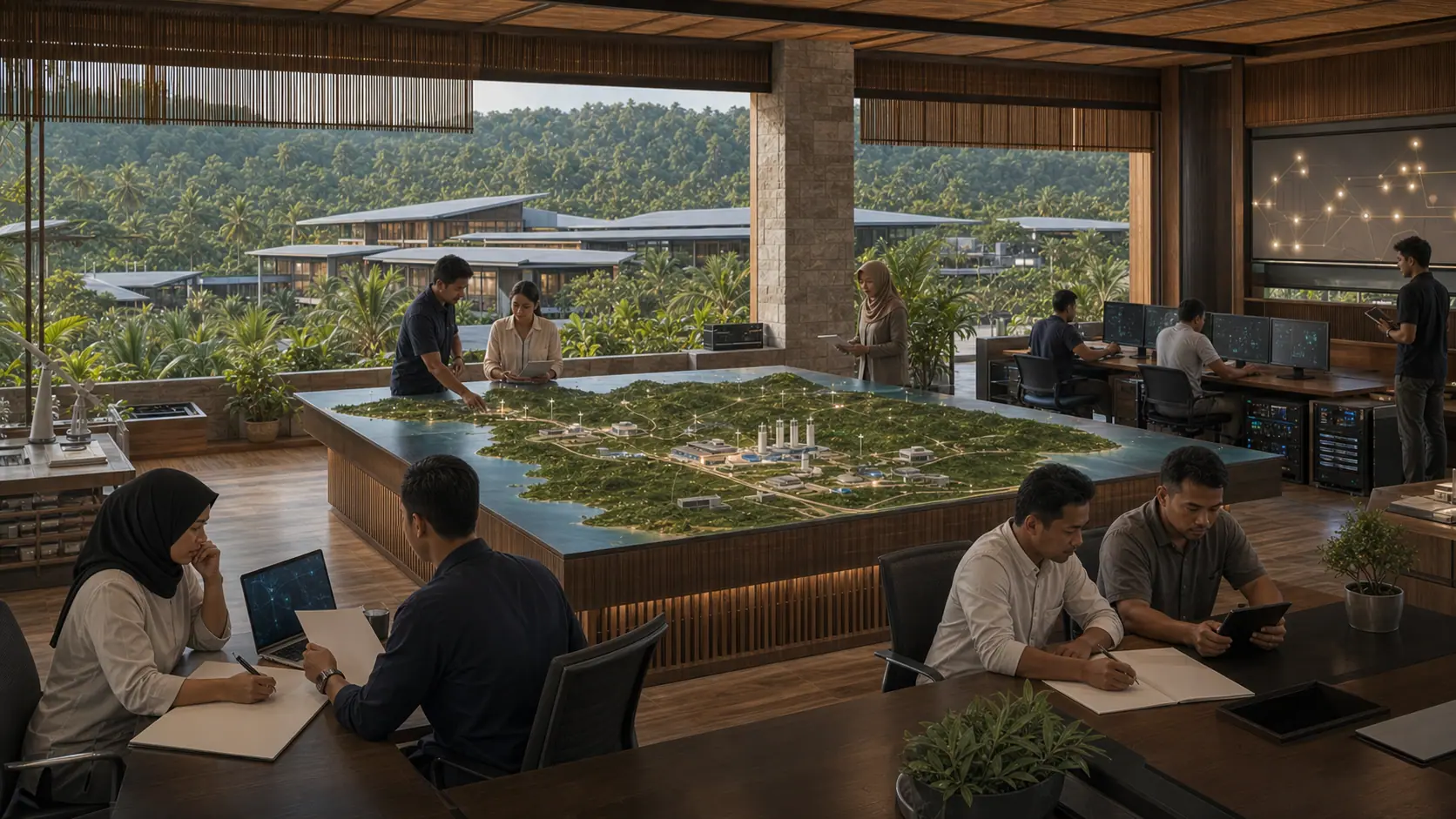
Mentawai One launches programme gateway
Mentawai One Pte. Ltd. has launched its canonical programme gateway at mentawai.one, bringing together information on the SEZ Padang Extension, conservation commitments, and stakeholder engagement pathways.
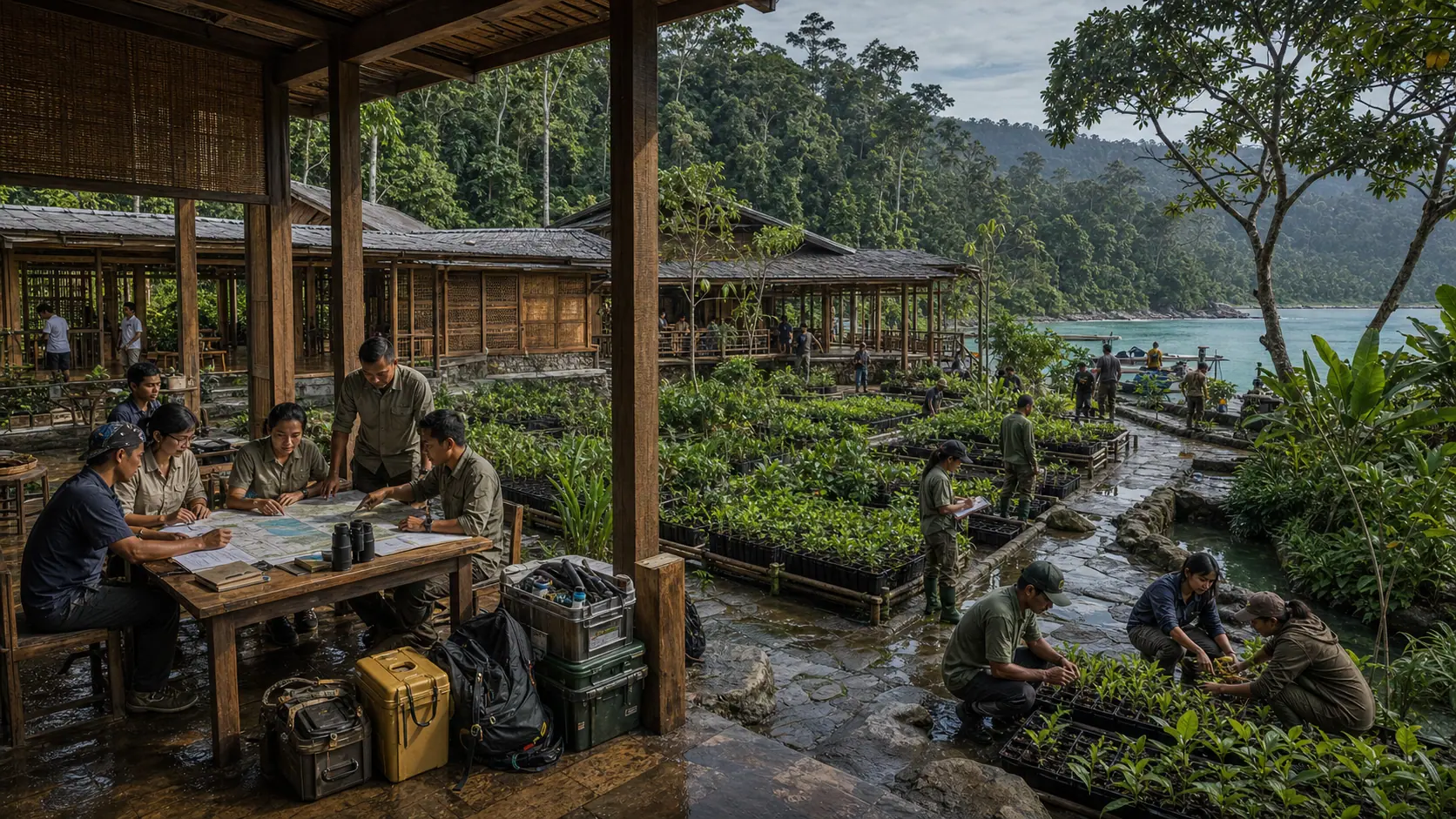
Conservation commitment: Siberut protection expansion
The programme has formalised its commitment to expand Siberut Island's protected area from 48% to 85%, funded through industrial operations at the SEZ Padang Extension.